Take the time to learn to save a life and be an asset to your family and community in the case of disaster! Take a class in first aid or become a CERT (Community Emergency Response Team) memberr. Find the training in your country or community to turn yourself into an asset that can respond without adding to the problem in a disaster situation.
The TechEnablement site is designed to change people’s lives by informing them about the latest technology trends, helping decision-makers “connect the dots”, and providing developer outreach to enable creative vision. While techEnablement provides information to enable employment, investment, and research opportunities, numerous organizations such as the Red Cross and CERT enable people to render aid without becoming part of the problem in disaster situations.
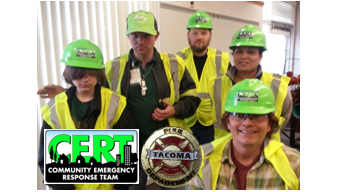
This weekend I completed a three week CERT training class that taught basic knowledge – and a provided hand-on exposure through controlled training exercises – to possible disaster scenarios that might affect my family and community. Those who complete the course are certified and listed as an asset that can be called upon in the case of disaster to assist and possibly save lives.
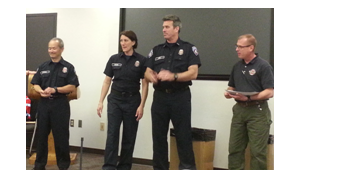
My particular class was taught by instructors from FEMA and the Tacoma Fire Department. These are professionals who have decades of experience and know how to assess risk to save other peoples lives, and bring safety to a situation where all havoc seems to be breaking loose. I cannot speak highly enough about both the instructors and students who participated my this class.
Don’t limit yourself! Everyone is encouraged to take the CERT training.

Get started in ham radio and in CERT (Community Emergency Response Team)
People in a wheelchair or who have other disabilities are encouraged to participate as are those who are out of shape, young, old, etcetera. Handling a community disaster involves communicating, record-keeping, organizing plus a myriad of other tasks along with able-bodied indiduals who will be performing light search and rescue and rendering first-aid.
My class, for example, contained a range of individuals ranging from a 12 year old ham radio operator to a 65 year-old who had undergone five knee surgeries and survived three heart-attacks. (Ham radio operators are in-demand because they can provide reliable communications even when the cellphone network fails). The key point is that everyone with training is an asset that can self-mobilize in the case of disaster and coordinate with the professionals to “do the greatest good for the greatest number”.
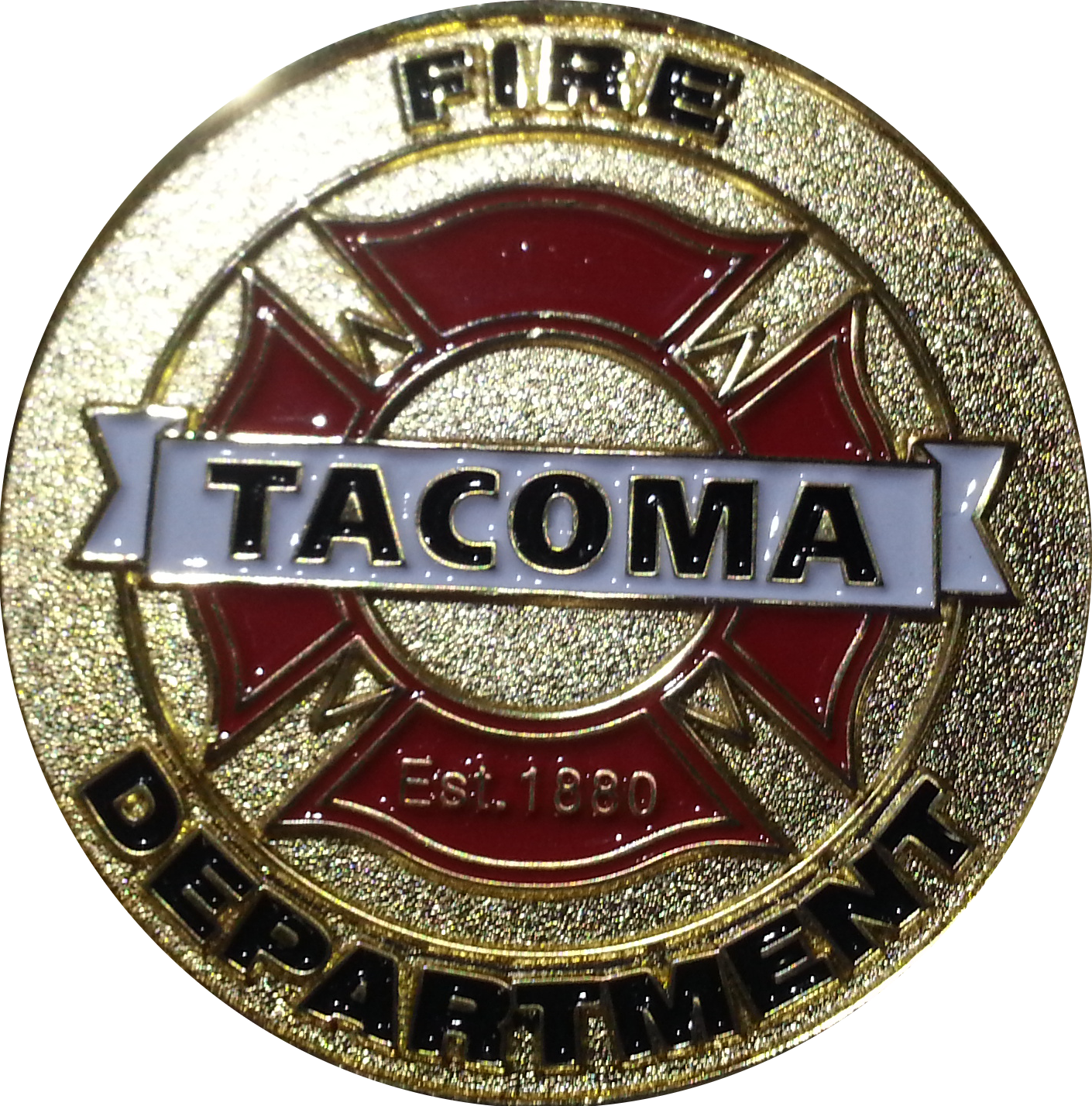
At the end of the session, our instructors provided us with a small Tacoma Fire Department medallion to carry with us. I value mine because of the tremendous respect I have for my instructors, the U.S. fire fighters, and the fact that this medallion can only be earned through achievement.
From personal experience I can say that first-aid training and by extension this CERT training does make a difference when disaster strikes – even when your training is in the far-distant past. In my case I was having dinner with my family and my mother-in-law. My wife asked what was going on with her mother. My first-aid training taught me to ask, “can you breathe?” For the first time in my life, someone shook their head to answer “no” to that question. After that, I remember a whirlwind of activity as I twice performed the Heimlich maneuver on an 86 year old woman (very scary as it is quite easy to break ribs) then cleared her airway with my finger to reestablish breathing. Along with the joy of saving a life, my young son saw that with training it is possible to preserve life – an admirable goal for everyone on our planet.
Bottom-line: Find the first-aid training and community emergency response teams in your country and local community.

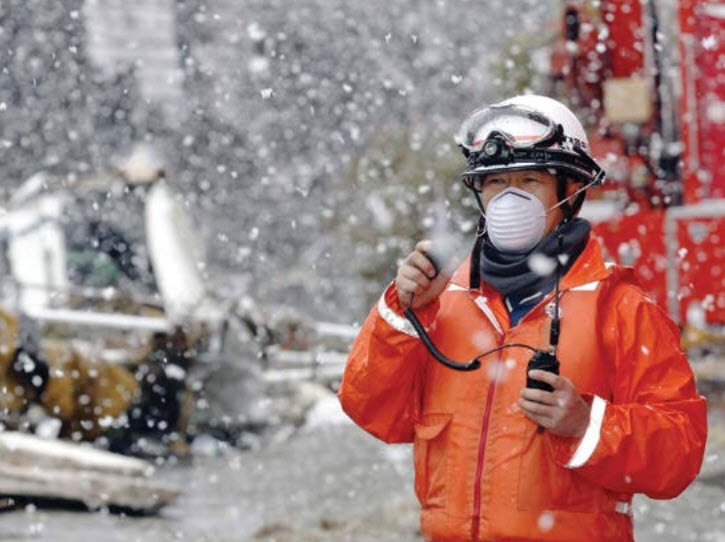

Don’t let a disability, age, or other condition limit your participation! One of my favorite quotes is from Dwight D. Eisenhower , “Planning is essential, plans are useless”. The “greatest good for the greatest number” will be achieved through the ability of trained people who can respond without adding to the problem. Find the training to turn yourself into an asset that can respond to deal with disaster related problems that might affect your community.
Leave a Reply